
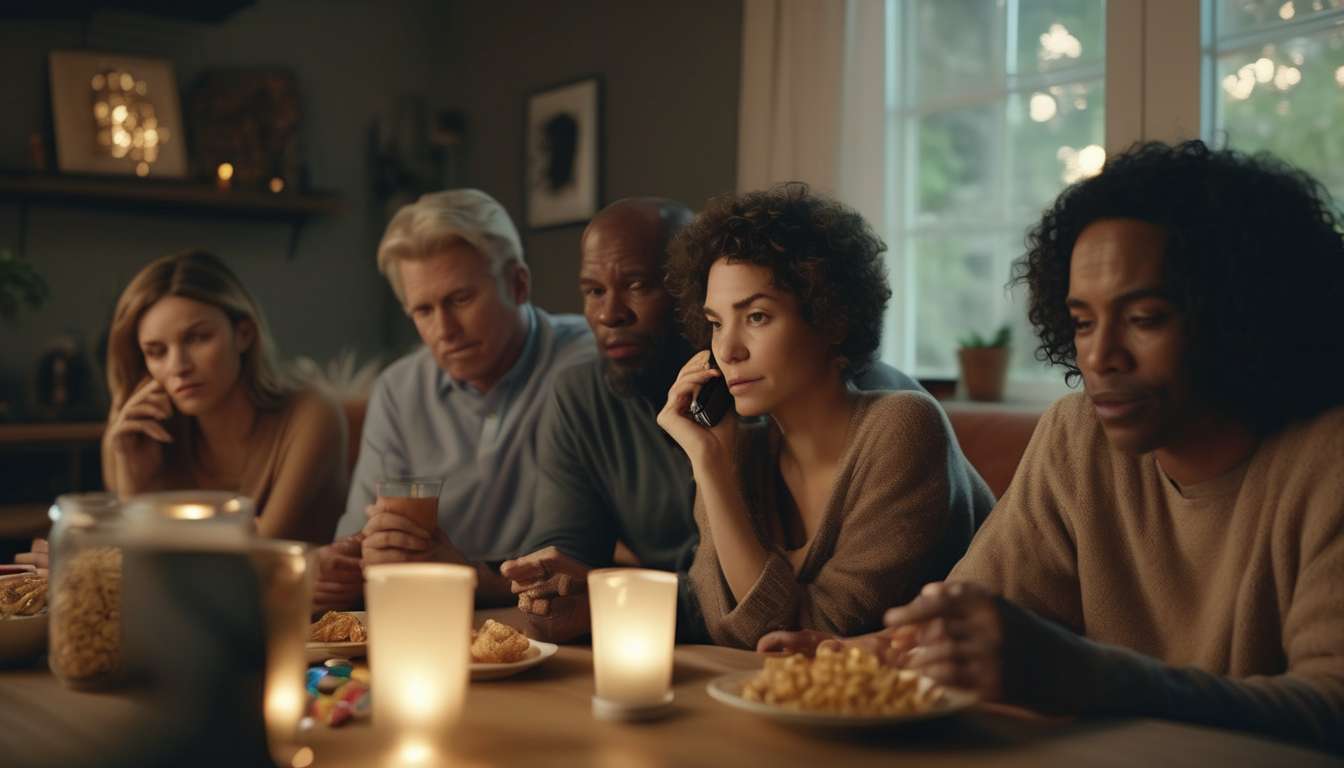
Kinetic shifts in adult movie consumption are not just gradual—they overturn long-held assumptions about who watches what and why.
We used to think patterns were stable: certain demographics favored particular genres, release windows and platforms dictated viewership, and habits changed only incrementally. New audience research forces us to reject that complacency.
Key emerging trends:
- Rapid cross-platform migration.
- Younger cohorts reshaping content preferences.
- Previously marginalized voices driving demand for diverse narratives.
Why this matters for models and strategy:
- Recalibrate modelling assumptions. Convenience, community, and cultural conversations influence choices as much as content itself.
- Rethink targeting and measurement. Traditional demographic buckets no longer capture fluid behaviors across platforms and formats.
- Adapt creative strategy. Diverse narratives and formats that resonate with shifting cohorts should be prioritized.
Actionable implications for producers, distributors and marketers:
- Invest in continuous, granular audience measurement rather than periodic snapshot studies.
- Prioritize platform-agnostic strategies that enable content to move with audiences.
- Center diverse voices and stories in commissioning and promotion to meet newly visible demand.
- Build community-focused engagement approaches that leverage cultural conversations and user-driven discovery.
Conclusion: By centering nuanced, data-driven insights, the industry can better serve audiences whose behaviors defy tidy categories. This synthesis highlights surprising demographic shifts and outlines practical steps for stakeholders navigating a landscape in flux.
Market Shifts Overview
We’ve seen audience demand shift from traditional theater releases toward streaming and on-demand options.
We recognize this change as a collective move: our community is choosing convenience, privacy, and control.
By tracking cross-platform consumption, we learn where people spend time and how they mix services to fit their routines.
That data helps us map audience demographics more thoughtfully, so we can create offerings that reflect varied ages, identities, and life stages without stereotyping.
We’re also noticing genre diversification; viewers are exploring niches alongside mainstream favorites, and that broadening tastes invite more inclusive curation.
Together, we can design experiences that respect preferences and normalize discovery across formats.
Our responsibility is to interpret these shifts with care, translate metrics into meaningful choices, and ensure that evolving catalogs match the people we serve.
By staying attentive to patterns and sharing insights, we build a sense of belonging for audiences who want media that fits them, not the other way around.
Cross-Platform Migration
Many viewers are migrating their viewing across devices and services, and we track those patterns to understand how people build daily media routines.
We see cross-platform consumption as a shared behavior that connects us: people move from phone to tablet to TV depending on context, and we map those transitions so everyone feels seen. By comparing platform journeys, we spot how audience demographics shape preferred paths without reducing anyone to a stereotype.
We also watch how genre diversification influences migration:
- Short-form comedy on a mobile commute,
- Longer romance or documentary on an evening smart TV.
That shift tells us about time, mood, and communal viewing habits.
Together, these insights help us design better experiences that respect varied schedules and tastes.
We want readers to feel included in that process — that their routines matter and that the industry is adapting to support a wider, more connected viewing community.
Demographic Recomposition
We’re seeing our adult movie audience reshape itself as age, ethnicity, and life stage mix in new ways that change what people watch and where.
Evolving audience demographics are making our community more varied and more connected. Parents, students, retirees, and multiethnic cohorts are all present and bringing expectations that matter.
Cross-platform consumption patterns favor flexibility.
- Some prefer curated collections on streaming.
- Others mix short-form clips with longer features.
- Many switch devices depending on privacy and context.
That diversity prompts us to rethink how we present content so everyone feels included without diluting quality.
We’re responding by:
- Updating metadata.
- Tagging for cultural nuance.
- Expanding accessibility so people can find and trust material that fits their identities and schedules.
This demographic recomposition isn’t fragmentation; it’s a chance to build a warmer, more responsive ecosystem.
- Belonging guides editorial and product choices.
- Measured genre diversification supports thoughtful discovery across platforms.
Genre Preference Changes
We’re seeing viewers shift their genre tastes—favoring hybrid narratives, softer erotica, and scenario-driven content over purely explicit formats.
This trend appears across platforms and among groups who want shared cultural touchstones. People increasingly curate playlists, follow serials, and share recommendations, which reinforces cross-platform consumption patterns.
Audience demographics shape which hybrids gain traction.
- Younger viewers tend to prefer indie-infused, emotionally textured pieces.
- Older cohorts often favor narrative continuity and familiar themes.
That demographic mix fuels genre diversification without fragmenting our sense of belonging. Different subgenres coexist and invite conversation, creating a richer communal ecosystem.
We adapt our offerings to reflect these shifts, prioritizing content that feels inclusive and easy to discuss. By focusing on scenario-driven work and milder aesthetics, we create entry points for newcomers and sustain engagement for long-time fans.
The result is strengthened communal ties through shared viewing habits and evolving tastes.
Diversity Driving Demand
Demand is rising for content that reflects a wider range of identities, bodies, and relationship dynamics.
When people see themselves represented, they feel included, valued, and are more likely to engage.
Our audience demographics now span ages, orientations, ethnicities, and body types, and that diversity is shaping what gets made and how it’s distributed.
Cross-platform consumption patterns are reinforcing inclusive programming.
- Viewers move between streaming sites, social channels, and curated communities to find creators and stories that mirror their lives.
- This movement increases discovery and repeat engagement across platforms.
Genre diversification follows from these consumption patterns.
- Niches once ignored are becoming central offerings because they build trust and loyalty.
- Expanding genres opens new audience segments and monetization pathways.
Producers and platforms must respond by expanding casting, storytelling, and accessibility — not by tokenizing.
- Centering authenticity creates sustainable relationships with viewers seeking belonging.
- Accessibility improvements (captioning, audio description, localization) broaden reach and demonstrate respect.
This shift is strategic and long-term, not fleeting.
- It’s a realignment of content and distribution that respects varied identities and strengthens long-term engagement.
Measurement Imperatives
We need precise, standardized metrics that track how diverse content performs across platforms, formats, and audience segments so we can allocate resources and iterate effectively.
We must measure cross-platform consumption consistently, tying views, completion rates, and engagement signals back to unified identifiers so everyone on the team sees the same picture.
We’ll blend quantitative measures with qualitative feedback to understand why certain pieces resonate and who they reach.
We’ll disaggregate data by audience demographics to spot gaps and growth opportunities, ensuring individuals and groups feel seen and served.
We’ll normalize reporting intervals and definitions so comparisons across releases and windows are meaningful.
We’ll track indicators tied to genre diversification to learn which themes expand reach versus deepen loyalty, and we’ll surface those insights in clear dashboards accessible to creative, marketing, and executive teams.
By committing to shared metrics and transparent reporting, we’ll build trust, make better decisions together, and sustain inclusive growth that reflects the varied preferences of our community.
Platform-Agnostic Strategies
Strategy overview: transferable, measurable, and audience-aligned.
We’ll design strategies that work regardless of where people watch by focusing on transferable assets, consistent storytelling, and measurement that travels with the viewer. This ensures creative and data systems remain useful whether content is streamed, downloaded, or clipped.
Modular content and templates for platform flexibility.
- We’ll create templates and modular content that adapt to different interfaces so fans feel at home whether they stream, download, or browse clips.
- By prioritizing reusable components (assets, edit points, metadata), we reduce rework and accelerate release cycles.
Cross-platform measurement to refine what resonates.
- By tracking cross-platform consumption, we’ll spot patterns and refine what resonates across devices.
- We’ll standardize analytics and reporting so insights follow the viewer, not the app.
Audience alignment and representation.
We’ll align creative choices with audience demographics to ensure representation and relevance, so everyone recognizes themselves in tone and casting.
Core narratives and visual cues that translate.
- We’ll prioritize core narratives and visual cues that translate to short-form previews, full-length features, and platform metadata.
- This keeps brand and story coherent while allowing content to be repackaged efficiently.
Genre diversification within a coherent brand voice.
We’ll embrace genre diversification to expand reach while maintaining a coherent brand voice, letting viewers move between comedy, drama, and niche subgenres without losing connection.
Iterative process using shared metrics.
- We’ll iterate together, using shared metrics and standardized reporting to keep content inviting, inclusive, and consistent across every viewing path.
- Continuous feedback loops will drive creative and distribution adjustments based on what the audience actually watches.
Community-First Promotion
We’ll build promotion around communities—fans, creators, and niche groups—so word-of-mouth, grassroots events, and co-created content drive discovery and loyalty.
We’ll invite members to shape campaigns, host watch parties, and share clips that reflect varied tastes, acknowledging how cross-platform consumption changes when fans feel ownership.
We map audience demographics to community roles, so younger viewers who prefer short-form hubs and older members on forums both find meaningful participation.
We’ll highlight genre diversification by featuring themed channels and creator collaborations that let groups curate experiences together.
We’ll prioritize transparent feedback loops, reward systems, and safe spaces that foster belonging while informing marketing decisions.
We’ll measure impact with engagement metrics tied to referral behavior and retention across platforms, not just impressions.
We’ll keep messaging authentic, avoid broad broadcasts, and invest in small-scale activations that scale naturally when communities amplify them.
By centering promotion on real people and their networks, we’ll strengthen loyalty and improve discovery in an era of fragmented viewing habits.
How have changes in payment models (e.g., subscription vs. pay-per-view vs. microtransactions) affected individual creator earnings and long-term revenue stability?
We see that payment models shape creator income and stability.
Subscriptions give steady, predictable revenue and foster loyal communities.
Pay-per-view creates spikes in earnings around hits but leaves gaps in between.
Microtransactions let creators monetize casual fans and experiment with pricing, though they can be unpredictable and require constant engagement.
Blending models helps balance immediate gains with recurring support, improving long-term resilience and shared success.
What specific privacy and data-protection concerns do adult-content consumers express, and how are platforms adapting their consent and anonymization practices?
We’re hearing privacy worries about payment traces, profile linking, and data leaks that could out users personally or professionally.
We want clearer consent, granular controls, and stronger anonymization like tokenized payments and differential privacy.
Platforms are responding by minimizing stored identifiers, offering anonymous billing, hashing or aggregating usage data, and simplifying opt-outs.
We’re pushing for transparent policies, regular audits, and community-driven trust signals to feel safer engaging.
How do regional cultural norms and local regulations shape content availability and consumption patterns outside the major markets discussed?
Regional norms and laws shape availability and viewing behavior.
- Conservative cultures and strict regulations limit explicit content and push consumption to private or encrypted channels.
- Permissive markets allow platforms to offer wider catalogs and social features.
- Local censorship, payment rules, and age-verification requirements force platforms to adapt offerings and user experience (UX).
Communities form around shared access practices and culturally acceptable genres and formats.
- People value belonging and create communities based on what content is available and how it can be accessed.
- Shared norms influence which genres and formats gain traction within a region.
Conclusion
Observation: Adults are shifting how they watch movies — across platforms — and demographic mixes and genre tastes are changing rapidly.
Measurement needs: You’ll need measurement that captures where and how people view, and strategies that work platform-agnostically.
Content strategy: You should prioritize diversity in content and promotion to reflect changing demographics and genre preferences.
Community & engagement: Build community-first campaigns that spark conversation and loyalty.
Operational priorities: Stay flexible and invest in better audience insights.
Alignment: Align creative, distribution, and metrics to meet evolving adult movie habits.